Quick facts
What buyers should confirm first.
Specification planning
Configuration points to settle before quotation.
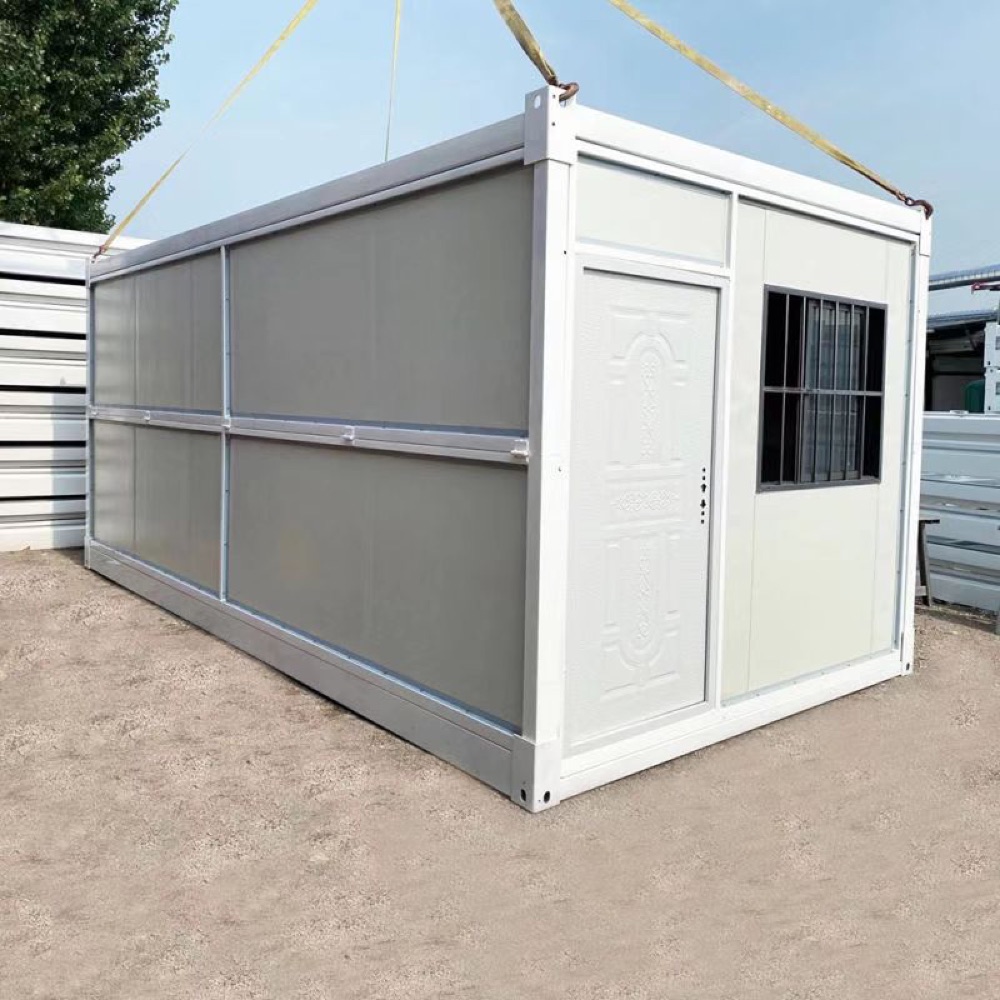
Flat-packed steel frame, wall panels, roof and floor components
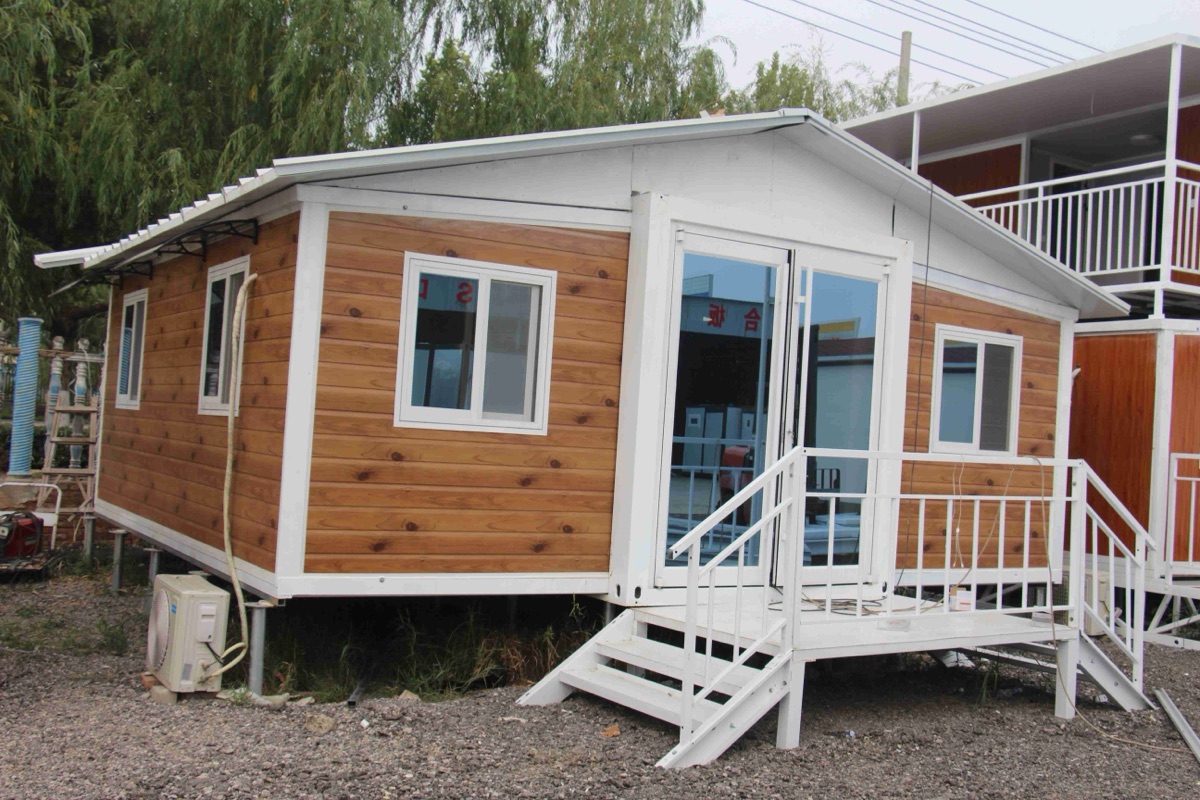
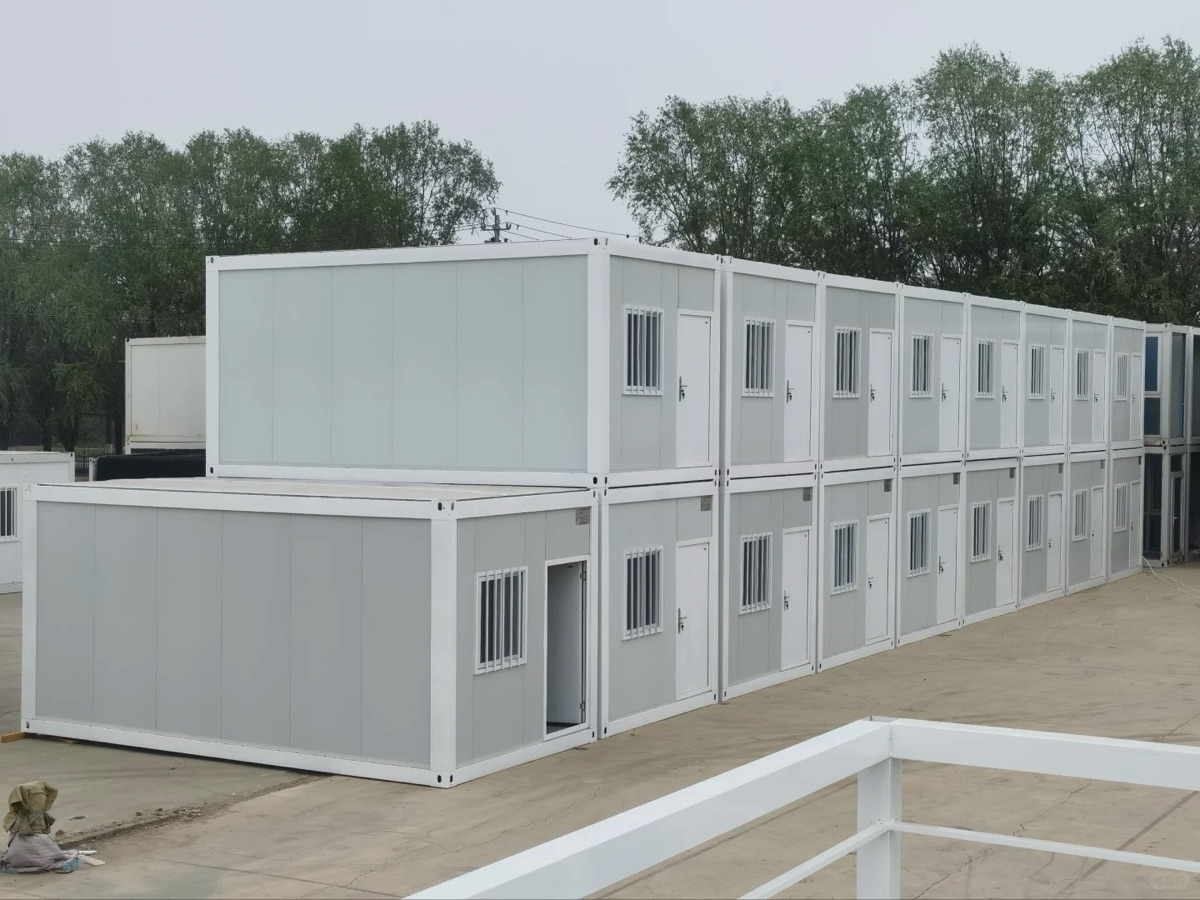
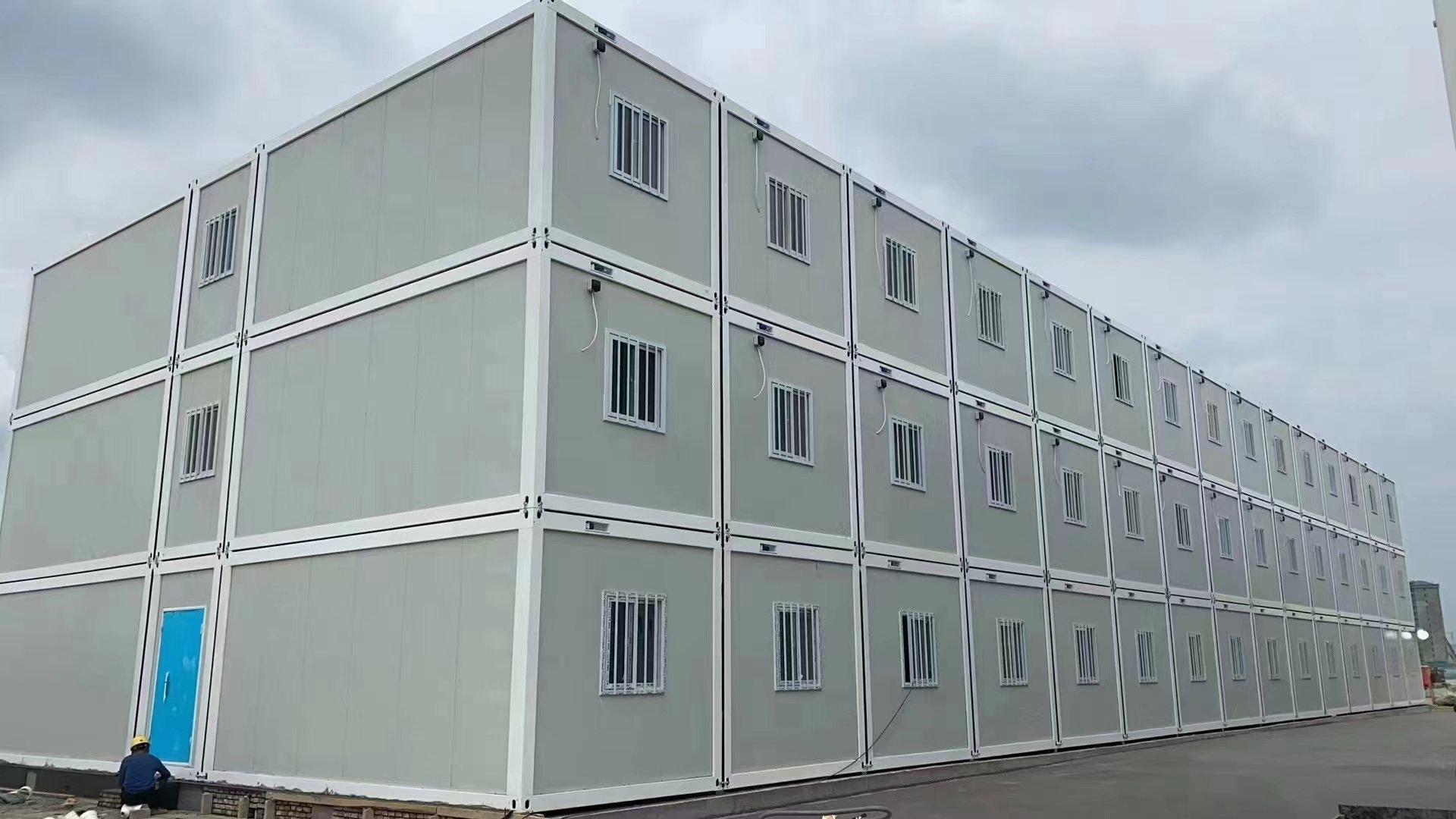
Modules can be connected for offices, dorms, classrooms and camps
Loading quantity depends on wall thickness, accessories and module size
Requires organized local assembly crew and site preparation
Best evaluated by landed cost, not unit price alone
Packing list, drawings and installation notes should be aligned before shipment
Application fit
Where this product line is strongest.
- Bulk distributor inventory programs
- Worker accommodation projects with repeated room modules
- Temporary offices and classrooms
- Government or NGO temporary housing procurement
Buyer decision notes
How to decide whether this model fits.
- Choose this model when freight ratio and batch procurement are top priorities.
- Prepare a local installation team before ordering large quantities.
- Compare landed cost, installation labor and accessory package together.
Logistics
Export and site-readiness notes.
- Flat-pack projects should be planned around container loading and local labor capacity.
- Accessories, stairs, sanitary units and insulation choices can change the loading plan.
- A bulk order should lock drawings before production to avoid repeated revisions.
Product FAQ
Questions to settle before placing an order.
Is flat-pack cheaper than expandable container housing?
It can be more freight-efficient for bulk orders, but final cost depends on quantity, specification, installation labor, destination and accessory package. Compare landed cost rather than unit price alone.
Who should choose flat-pack units?
Importers, wholesalers and large project contractors usually benefit most because they can manage container loading, local assembly and repeat room planning.
Does it need skilled installation?
It needs an organized local crew with basic tools and clear assembly steps. Larger multi-module projects should have stronger site coordination.